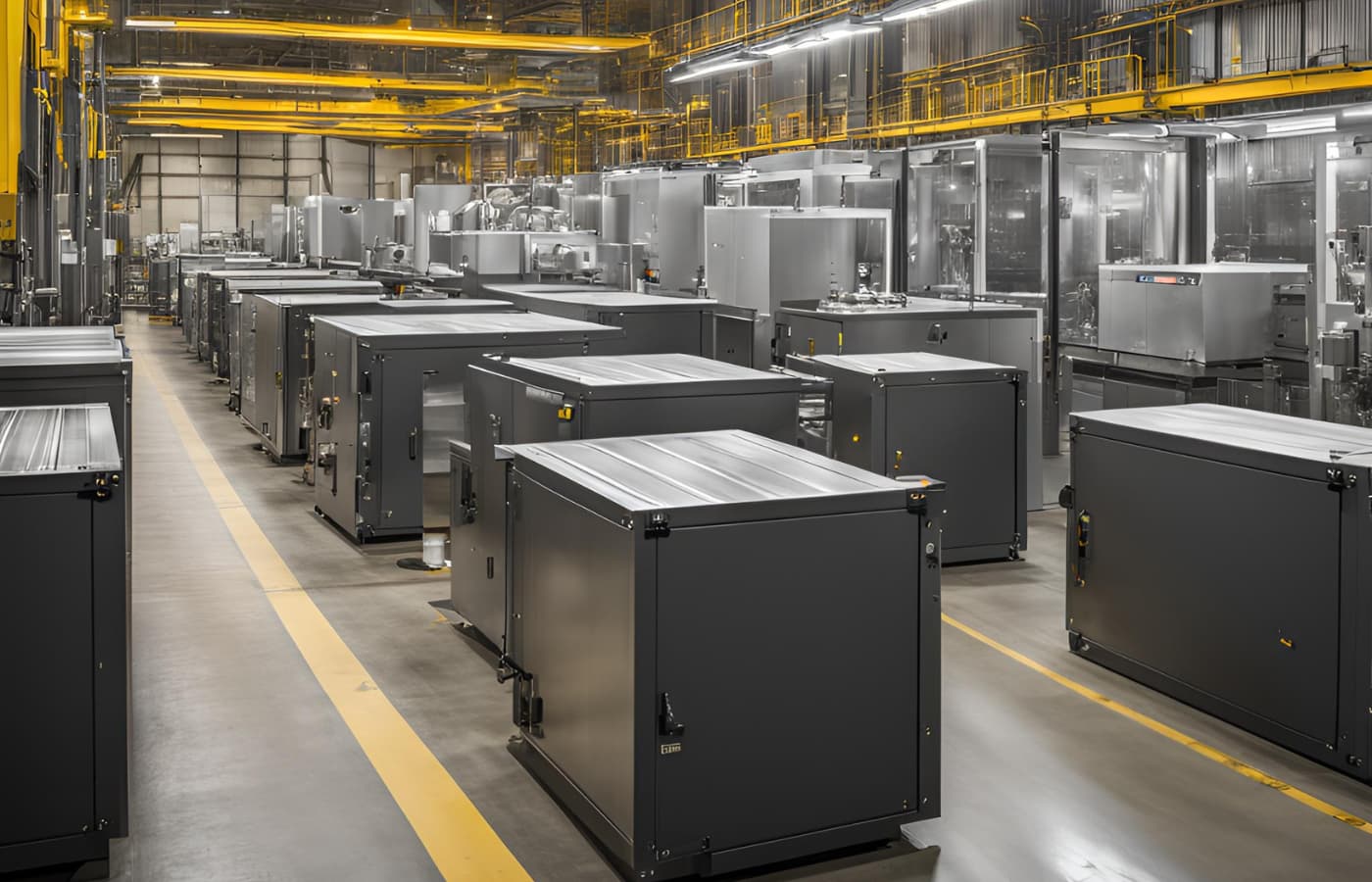
In industrial environments, ensuring the protection and longevity of equipment is paramount to maintaining smooth operations and avoiding costly downtime. One solution that has gained widespread popularity is the use of carbon steel enclosures. For example, businesses requiring air compressor repair Chicago often rely on carbon steel enclosures to protect their compressors from environmental damage, ensuring longer service life and reducing the need for frequent repairs.
What Are Carbon Steel Enclosures?
Carbon steel enclosures are protective housings made from carbon steel, a material that is primarily composed of iron and carbon. These enclosures are designed to protect sensitive equipment from external factors such as moisture, dust, chemicals, and physical impact. Their primary function is to ensure that the equipment inside remains safe, functional, and properly maintained in even the harshest environments.
Key Benefits of Carbon Steel Enclosures
1. Exceptional Durability
One of the primary reasons carbon steel enclosures are favored in industrial applications is their durability. Carbon steel is known for its strength and resistance to wear and tear, making it ideal for environments where the enclosure may be subject to physical impacts, vibrations, or heavy loads.
2. Resistance to Corrosion
Carbon steel enclosures offer excellent resistance to corrosion when treated with protective coatings, such as powder coating or galvanization. This makes them suitable for use in environments where exposure to moisture, chemicals, or other corrosive elements is common. With proper coating, carbon steel can withstand these elements and provide long-term protection.
3. Cost-Effective Solution
Compared to other materials such as stainless steel, carbon steel is more cost-effective while still providing robust protection. This makes it an attractive option for industries that require large quantities of enclosures without compromising on quality or protection.
4. Versatility in Applications
Carbon steel enclosures are highly versatile and can be used across a wide range of industries, from manufacturing and oil and gas to telecommunications and electrical distribution. Whether protecting network sensors or housing electrical control panels, these enclosures can be customized to fit specific needs and environments.
5. High Impact Resistance
Industrial settings often involve heavy machinery, and the risk of equipment being bumped or impacted is high. Carbon steel enclosures are designed to withstand strong physical impacts, ensuring that the equipment inside remains safe and operational even in high-risk environments.
Customization and Flexibility of Carbon Steel Enclosures
One of the major advantages of carbon steel enclosures is their ability to be customized to meet specific industrial needs. Whether it s the size, shape, or the type of protective coating, carbon steel enclosures can be tailored to suit a wide variety of applications. Customization options include:
- Size and Dimensions: Carbon steel enclosures can be manufactured in various sizes to fit specific equipment or space requirements.
- Mounting Options: These enclosures can be designed for wall mounting, floor mounting, or rack mounting, depending on the application.
- Coatings and Finishes: To enhance corrosion resistance, carbon steel enclosures can be coated with powder coatings, galvanized finishes, or other protective treatments.
Comparison Between Carbon Steel and Other Materials
|
Material |
Strength |
Corrosion Resistance |
Cost |
Weight |
Best For |
|
Carbon Steel |
High, excellent impact resistance |
Moderate (with a protective coating) |
Affordable |
Heavy |
Industrial applications requiring high durability and strength |
|
Stainless Steel |
High |
Excellent |
Expensive |
Heavy |
Environments with high exposure to moisture and corrosive substances |
|
Aluminum |
Moderate |
High |
Moderate |
Lightweight |
Applications requiring lightweight materials with good corrosion resistance |
|
Plastic |
Low |
Moderate to High (depends on type) |
Inexpensive |
Lightweight |
Non-industrial applications or environments where high strength is not required |
Environmental Considerations
1. Recyclability of Carbon Steel
Carbon steel is a recyclable material, which means that old or damaged enclosures can be recycled at the end of their life cycle. This makes carbon steel enclosures an environmentally responsible choice for industries looking to reduce waste and promote sustainability.
2. Eco-Friendly Coating Options
Many of the coatings used on carbon steel enclosures are designed to be environmentally friendly. Powder coatings, for example, contain fewer volatile organic compounds (VOCs) than traditional paint coatings, making them a greener option.
Safety and Compliance Standards
When selecting carbon steel enclosures for industrial use, it s important to ensure that they meet industry-specific safety and compliance standards. These standards vary by region and industry but generally focus on ensuring that enclosures provide adequate protection for electrical equipment, network sensors, and other critical components.
Examples of standards include:
- NEMA (National Electrical Manufacturers Association) Ratings: These ratings indicate the level of protection an enclosure provides against dust, moisture, and other environmental factors.
- IP (Ingress Protection) Ratings: These ratings are used internationally to classify the degree of protection provided by enclosures against solids and liquids.
Conclusion
Carbon steel enclosures offer numerous advantages for industrial settings, combining durability, corrosion resistance, and cost-effectiveness to protect essential equipment like network sensors and control panels. Their versatility and customization options make them suitable for a wide range of applications across various industries, including telecommunications, oil and gas, and manufacturing.
While other materials may offer specific advantages, carbon steel enclosures remain a popular choice due to their overall strength, flexibility, and long-term value. With the right protective coatings and maintenance, they ensure that critical industrial components remain safe and operational for years to come. Whether you need to safeguard network sensors or house electrical control systems, carbon steel enclosures provide a reliable solution for demanding environments.